


























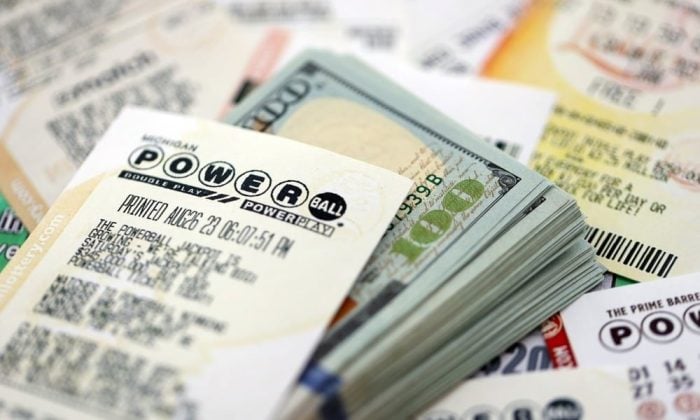
State lotteries may be losing their top spot as the most common form of gambling by Americans according to a recent survey.
As it stands, 48 US jurisdictions have a state lottery. This amounts to 45 states, plus the District of Columbia (Washington DC), Puerto Rico and the US Virgin Islands.
Lotteries are a lucrative way for state governments to supplement tax income, with millions of dollars raised to support causes like education and public parks, among other initiatives.
The Maryland state lottery, for example, directed $532.5m to its state general fund from lottery sales of $2.7bn (£2bn) during the 2025/26 fiscal year. This was distributed between public schools, the state veterans fund, public transit, and improvements to the Camden Yards Sports Complex.
A Gallup poll may give state lottery operators and the policymakers and state financiers who rely on them for extra public funds a few sleepless nights.
According to Gallup, the number of people who pay a state lottery fell from 49% in 2016 to 31% in 2026. It had averaged in the high 40% range between 2003-2016 according to Gallup, but between 1989-1999 had ranked even higher.
However, the apparent decline in participation doesn’t quite line up with some state lottery revenue declarations. Take the Maryland Lottery discussed above, for example.
The 2025/26 financial year was the third best performance in the Maryland Lottery’s 53 year history – though this was also due to sports betting and casino revenue making a big contribution.
Other lotteries have declared record performances in recent years also. The Arizona Lottery declared ticket sales of $1.5bn in 2022, with $1bn paid back in prize winnings and $300m returned to state agencies and services.
However, for lotteries running casinos and betting prepositions, Gallup’s polling shows that there has been a 12 percentage point drop in the number of people gambling in person at a casino – falling from 26% in 2016 to 14% in 2026.
Further confusing things is the Gallup data suggesting that the number of people betting on a professional sports event has fallen from 10% to 7% over the past 10 years, despite the repeal of PASPA in 2018 allowing more than 40+ states to launch legal sports betting.
