






















Bulgaria’s national lottery and the Bulgarian Sports Totalizator have been left out of a proposal to ban all gambling ads in the country.
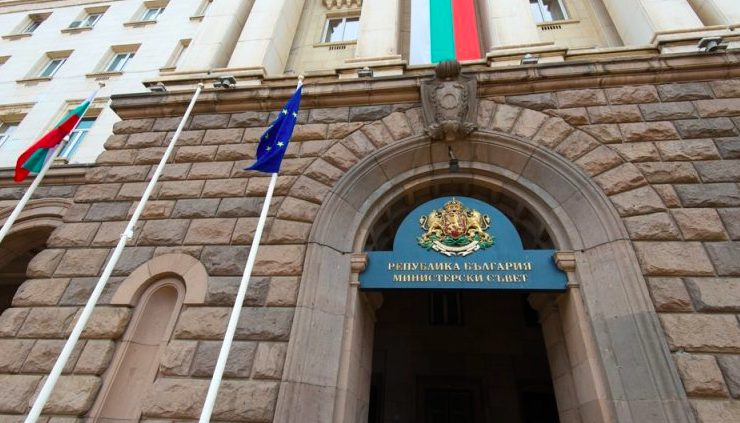
The cabinet of Prime Minister Roumen Radev announced a comprehensive package of reforms that were put up for public discussion, which propose a major overhaul to the current gambling advertising landscape.
The state lottery and the Totalizator are few of the exceptions left out of Radev’s draft policies on marketing.
Another exception are sports sponsorships, allowing deals between operators and sports clubs, leagues, competitions, kits and events to continue as usual. These sponsorships will only be prohibited when the products are intended for use by under-18s.
Other than that, all gambling advertising is banned in the draft legislation. Regardless of the marketing type or method of distribution, the advertising of gambling games, gambling brands, gambling-related trademarks and any type of signage is prohibited.
This applies to all communication channels, including TV, radio, print, online, social media, apps, streaming platforms, and more.
Operators are only allowed to include gambling messages within their own websites and land-based venues, if applicable.
The consultations expire on 25 October 2026, after which the revised draft will be put for voting. If the law is enforced, it will essentially wipe out the affiliates sector from Bulgaria.
Tensions over the prominence of gambling advertising in the country have been brewing for quite some time now. Politicians have been scrutinising the previous gambling amendments adopted in 2024, which critics say have left loopholes in the legislation.
One example often alluded to is the broadcasting of the 2026 FIFA World Cup by the Bulgarian National Television. In the advertising space in between the live shows, bookmakers advertised opportunities for business relationships. This included their logos.
The 2024 provisions state that gambling messages are prohibited from TV, online, and print, but focus more on the promotion of the play itself, rather than the logo of brands. This has also been addressed by Radev’s provisions.
