









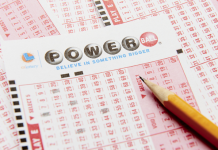








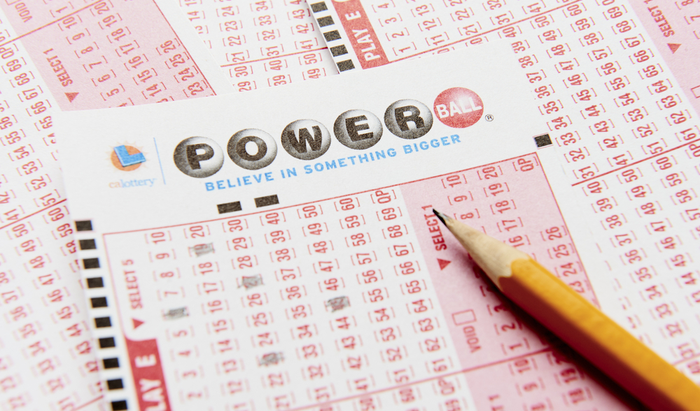
The Gambling Commission has notified UK lottery stakeholders and the public that feedback is being sought on a consultation to ban third-party bets on Powerball draws.
Launched on 23 September, the government-led consultation proposes prohibiting third-party operators licensed under the Gambling Act 2005 from offering Powerball bets to consumers in Great Britain.
The move follows Allwyn UK’s introduction of Powerball to the National Lottery on 21 July, creating a clash between the official game and betting businesses already taking wagers on its US draw.
Allwyn expects Powerball to deliver an additional £1bn for good causes over five years. Ministers fear competing betting products could dent ticket sales and leave some customers unsure whether they are buying an official entry.
Stakeholders have until 23:59 on 4 November to respond. No implementation date has been set, leaving affected operators awaiting the Commission determination prior to any restriction being applied or lifted.
One rule for all Lotto wagers
The consultation warns that allowing these bets is “contrary to the spirit and intention of Section 95”, the provision protecting National Lottery games from third-party betting.
However, the existing law does not capture every Powerball wager. Although the game is now sold through the National Lottery, the underlying US draw does not itself form part of the UK lottery.
That distinction allows licensed bookmakers to continue taking bets on its outcome. Customers using these services are wagering with an operator, rather than purchasing an official National Lottery ticket.
The Commission wants to close the gap through a new licence condition under Section 78 of the Gambling Act. It would cover general betting operators, pool betting businesses and betting intermediaries licensed by the Commission.
The restriction would target Powerball specifically. Betting on other lotteries outside the National Lottery portfolio, including Irish Lotto, would remain permitted.
Ministers have pointed to the 2018 ban on betting on overseas EuroMillions draws as a precedent. That intervention stopped operators offering bets on games in other participating countries which used the same underlying draw.
Need for Public response
Consumer confusion is another concern. Ministers cite evidence gathered before the EuroMillions prohibition suggesting players struggled to distinguish lottery betting from official participation, despite voluntary disclosures and regulatory guidance.
Yet the government acknowledges that the financial benefit of a ban remains uncertain. It lacks current evidence on how many Powerball bettors would redirect their spending towards National Lottery tickets.
Operators are being asked to disclose the product’s contribution to their gambling revenues and estimate withdrawal costs. The consultation also seeks evidence on customer understanding and whether existing disclaimers work.
Other options considered include voluntary action, mandatory charitable contributions and a blanket ban on lottery betting. Ministers judged those approaches less effective or disproportionate, but remain open to alternatives.