






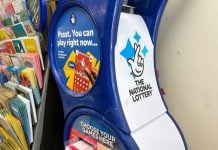









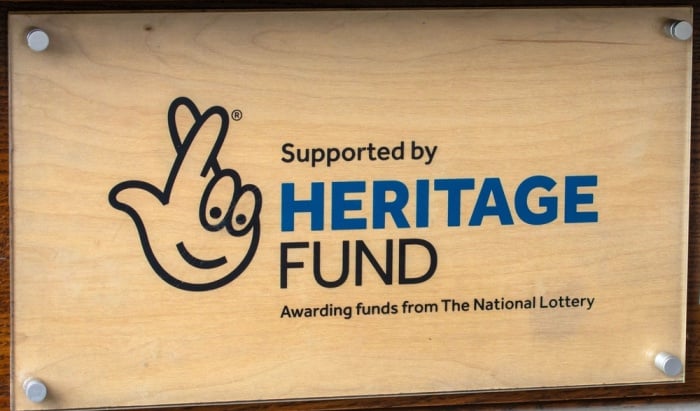
The British government is calling for feedback on how National Lottery funds are used for good causes and social initiatives.
Good causes funding is the central aim of the National Lottery, with the lottery’s operator, Allwyn UK, committed to doubling returns to good causes from £30m to £60m by the end of its 10 year tenure as licence holder.
The Department of Culture, Media and Sport (DCMS), the government department responsible for gambling and lotteries among other areas, is running a public survey asking for feedback on how good causes funding can be best utilised.
Where does your National Lottery money go?
According to DCMS, every £1 spent on the National Lottery is divided into six different areas.
- 56p goes into prizes for players
- 23p goes towards good causes
- 12 goes to Lottery Duty paid to HM Treasury
- 5p to operating costs
- 3p to retailer commision
- 1p to operator profit
All in all, DCMS states that the lottery has generated £53bn for good causes since 1994.
The lottery was run by Camelot UK from its foundation until 2024, when Allwyn UK – the UK division of multinational lottery giant Allwyn – took the helm.
The firm had won the 2021 National Lottery licence contest, and subsequently acquired Camelot after the Watford firm appealed against the Gambling Commission’s decision.
Since taking on licence and operation duties in February 2024, Allwyn has been busy revamping the lottery with an extensive tech upgrade. Returns to good causes remains a key priority of the government, however.
“Since 1994, the National Lottery has generated over £53bn for good causes across the UK, funding elite and grassroots sport, cultural institutions and local community projects,” DCMS statement read.
“We want to hear from the public on how this funding can better align with modern priorities, reach the areas that need it most and how we can reduce bureaucracy.
“We welcome views from individuals and organisations across the UK.”
And how is National Lottery money spent?
In a foreword to the survey, Baroness Twycross, DCMS Gambling Minister, asserted that the government wants to ensure that National Lottery-funded initiatives reflect the British public’s priorities and remain well connected to local communities.
“Decisions should be made by you,” said Twycross. “We want to give local people a genuine voice in how funding is spent in their own communities. It’s time to move beyond top-down mandates and trust the people who know their streets, their clubs, and their heritage best.
“Your ambition shouldn’t be met with red tape. We are committed to stripping away the bureaucracy that acts as a barrier to community spirit. We want to make it easier for small, grassroots organisations to access the support they deserve without being drowned in paperwork.”
DCMS has highlighted a number of positive use cases of the National Lottery during its 33 year history:
- Funding for Olympic and Paralympic programmes, including the 2012 games hosted by London
- Funding for national landmarks like the Shapespeare’s Globe in London, Millennium Stadium / Principality Stadium in Cardiff, Mary Rose Museum in Portsmouth, and Titanic Quarter in Belfast
- Support for film and cinema, with popular films like Billy Elliot, Bend it Like Beckham and Aftersun all produced with help from National Lottery funding
- Various charity initiatives throughout the UK, such as the Rathfern Community Regeneration Group, No More Nowt, Be Active Wales Fund and Workhouse Connect, among others
DCMS now wants to make sure the lottery remains connected to these various initiatives, and also identify areas to improve.
“The National Lottery reminds us of the power we hold when we stand together. It is an asset we all have a stake in,” said Twycross.
“This call for evidence is the first step in protecting and strengthening this institution for future generations, ensuring it is driven by the very communities it is meant to serve.”
Any member of the public can respond to the survey, as long as they are aged 16 and over.
The consultation will close on 23 September 2026.
The survey can be filled out online, via post, or via email.
