























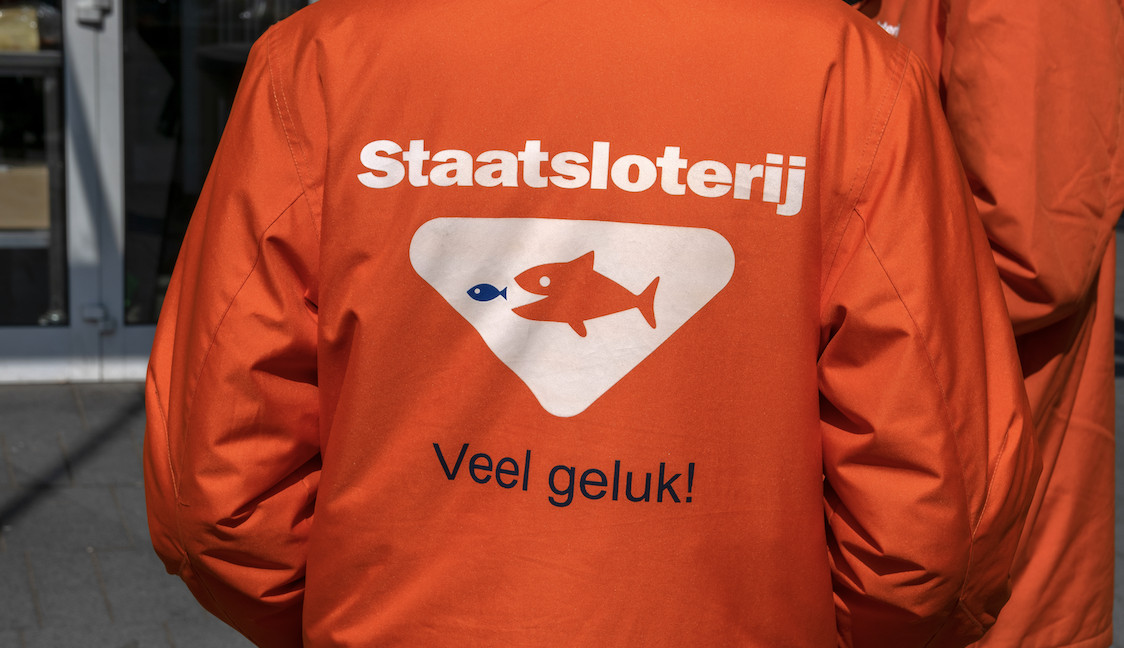
Staatsloterij has begun celebrations to mark its 300th year as the State Lottery of the Netherlands and the organisation that founded civic lotteries.
The milestone dates back to the establishment of the Generaliteitsloterij in 1726, when the Dutch government moved to centralise and regulate a rapidly expanding landscape of private lotteries that had become associated with fraud, corruption and a lack of oversight.
The creation of a state-run lottery was designed both to restore public trust and to generate revenues for the national treasury.
As detailed by Casinonieuws.nl, providing a historical overview of the lottery’s development, the early Staatsloterij quickly became embedded in Dutch public life. Draws were staged as major public events, often running over several months and attracting large crowds across major cities.
Dutch historian Jeroen Salman, speaking on NPO Radio, has highlighted that the Staatsloterij emerged from a much older lottery culture dating back to the 15th century. At the time, lotteries were already widely used across the Dutch Republic as a blend of fundraising, entertainment and indirect taxation.
Over the centuries, the lottery evolved alongside the Dutch state. During the 19th century, it came formally under government control, while the 20th century saw accelerating modernisation, including the introduction of electronic draws and the creation of the now-iconic New Year’s Eve draw, which has become one of the Netherlands’ most popular annual gambling events.
A major structural shift followed in 2016, when Staatsloterij merged with De Lotto to form Nederlandse Loterij, consolidating the country’s state-backed gaming brands under a single regulated operator.
Today, Staatsloterij remains a central pillar of the Dutch gambling market, combining three centuries of heritage with a modern regulatory framework focused on consumer protection, public funding and channelisation — a model that continues to shape state lottery structures across Europe.
