





















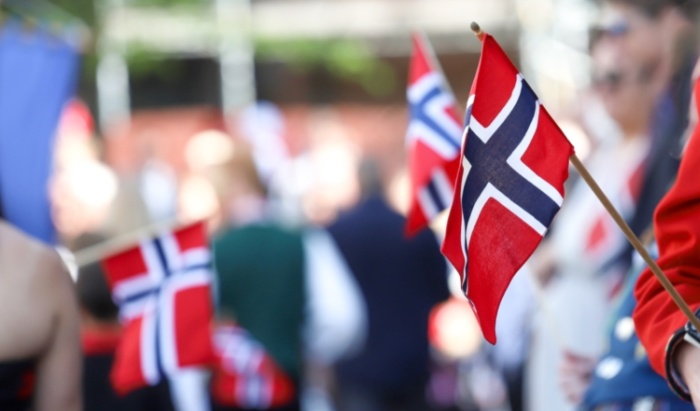
The Norwegian Lottery Authority, Lottstift, has approved a significant expansion of the country’s Postcode Lottery concept with 23 organisations named as partners.
Norsk Postkodelotteri AS will continue to operate the postcode lottery, working with charities such as SOS Children’s Villages, WWF, Save the Children, Norwegian Church Aid and Norwegian People’s Aid.
The model will see 50% of lottery revenues after winnings are deducted and directed to the 23 organisations. The licences are valid from 1 March 2026 to 28 February 2035.
As well as the 23 charity organisations, the Norsk Pantelotteri has also partnered with the Norwegian Red Cross, which will also receive 50% of lottery revenue, after winnings, under a similar model to the other charity partnerships.
Tore Bell, Department Director at the Norwegian Lottery Authority, said: “It is new this year that the Postcode Lottery is applying to offer gambling for 23 organisations. Previously, there have been two.”
The concept of a postcode lottery has become widespread across many countries, with postcode lotteries now being the largest form of charity lottery and the largest non-state lotteries in various European countries.
The Postcode Lottery Group, founded in the Netherlands, has become one of the biggest examples of this with operations in its home nation, Sweden, Germany, the UK, and Norway, where it operates the Norsk Postkodelotteri.
The company has been operating the Norsk Postkodelotteri since the re-regulation of Norwegian lotteries in 2015, which initially allowed five charity lottery licences – though sports betting and gaming remain largely closed off to the state operators, Norsk Tipping and Norsk Rikstoto.
According to Postcode Lottery Group’s website, the Norwegian charity lottery licences are limited to a turnover of MNOK 405m (€34.5m) per year, while marketing investments are limited to 15% of revenue after winnings are paid out.
The renewal of the lottery’s Norwegian licence comes just a few weeks after it initiated a group-wide rebrand across its European markets.