




















Danske Spil, Denmark’s state-owned gambling and lotteries group has vowed to support new wide ranging restrictions on gambling advertising and marketing.
Last week a majority of Danish ministers approved ‘Package-1’ of reforms to Denmark’s Marketing and Advertising Law. As such from 2026 onwards the Danish government will begin its phased rollout of changes on gambling advertising across media networks, sports and advertising agencies.
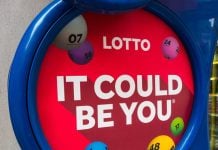
Leadership of Danske Spil, which operates the National Lottery and also provides state-sponsored sports betting products and football pools, have praised the move as ‘necessary and responsible’.
Danske Spil CEO, Nikolas Lyhne–Knudsen, said: “It is both good and important that this new agreement raises the bar for responsibility. The ambition to protect our young people is one we share and have already made a special effort toward.
“Danske Spil has taken the lead in making the gambling market more responsible, and we already have experience with several of the initiatives now included in the agreement.
“For many years, we have voluntarily implemented a whistle-to-whistle ban and do not advertise live odds on either TV or stadium billboards.”
Like other Nordic nations, Denmark had a gambling monopoly for many years, with Danske Spil holding exclusive rights to offer lotteries, betting and gaming, similar to in Sweden, Norway and Finland.
Sweden and Denmark both opted to abandon the monopoly model eventually, however, with Denmark the first to do so in 2012 while Sweden followed in 2019. Finland is on the way to liberalisation, but the situation in Norway seems less uncertain.
In the years following Denmark’s abolishment of its monopoly, the country has become a competitive gaming market with Danske Spil finding itself competing with the likes of 888, Betfair, LeoVegas, and the latter’s subsidiary Expekt, among others.
As in other countries, however, the growth of the gaming industry has fueled concerns around consumer protection and societal impacts. Having observed changes in other countries like Spain and Italy, the Danish government now wants to align its player protection standards with that of the rest of Europe.
The coalition government of the Social Democrats, Moderates, Socialist People’s Party and Venstre notified media networks, advertising agencies and sports bodies last week of its intentions to ban gambling ads from 1 January 2027.
The reforms were described by Ane Halsboe-Jørgensen, Denmark’s Tax Minister, as a ‘significant first step’ towards rebuilding public trust in the governance of the gambling market and better protecting young demographics.
Restrictions will include a ban on celebrities and marketing that could appeal to young people, a ban on under-25s appearing in adverts, limits on outdoor and transport advertising, and funding for research into gambling behaviour, addiction and protection.
