


















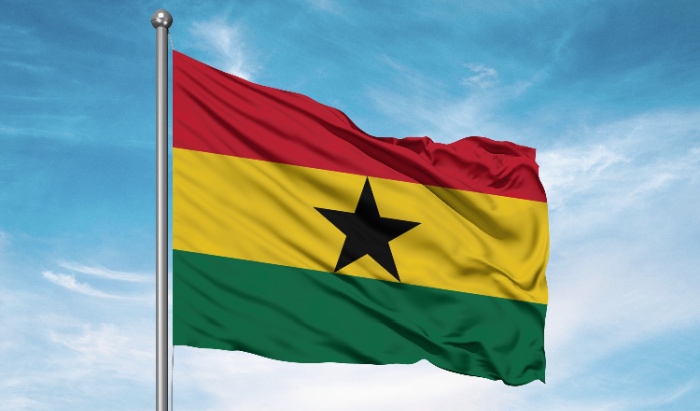
The National Lottery Authority (NLA) is making another move against illegal operators, a long-running objective of both the regulator and other political authorities.
A new initiative spearheaded by NLA Director-General, Mohammed Abdul-Salam, sees the introduction of unique identification stickers for all Writers and Agents of Private Lotto Operators (PLO).
These stickers will feature an agent or writer’s name, location, phone number and payment details. The NLA’s compliance teams will verify agents when visiting premises via a QR code generated when a lottery ticket is bought.
The purpose of this is to reduce illegal lottery activities and redirect lottery revenues from the unlicensed sector to the NLA itself – a process referred to in many countries as channelisation.
Channelisation is a top priority for regulators of gaming industries across the world and across various verticals, from Europe to Africa and from casino gambling to betting to lotteries.
The NLA’s latest channelisation initiative has been enacted from 1 September onwards, with Abdul-Salam hoping that the move will help distinguish between legal and illegal lotteries and further establish the Authority’’s grip over the Ghanaian lottery sector.
Lottery writers and agents will need to possess a unique identification sticker as part of their licence. As such, anyone not possessing such a sticker will be considered by the authorities to be running an illegal lottery.
As stated above, clamping down on the unregulated industry has been on the Ghanaian government’s agenda for some time. In July, a former Director-General of the NLA and a sitting MP in the Ghanaian Parliament called for further international cooperation against illegal lottery activities, for example.
Licensed Ghanaian lotteries have responded well to the new initiative according to the NLA.
The Executive Secretary of the Concerned Lotto Agents and Writers Association (CLAAG), an industry trade body, is quoted as saying that agents and writers should benefit from the legal protections afforded by their annual GHC 250 (US$20) licence fee.
