






















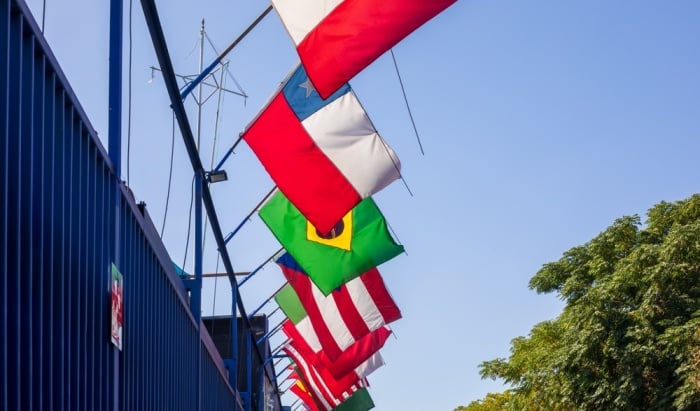
Latin America, as a whole, has spent centuries striving to preserve its cultures—languages, heritage, and social struggles that, little by little, risk fading away in the face of massive globalisation. Though often unintentionally, this trend pushes the regional aside to make room for the global.
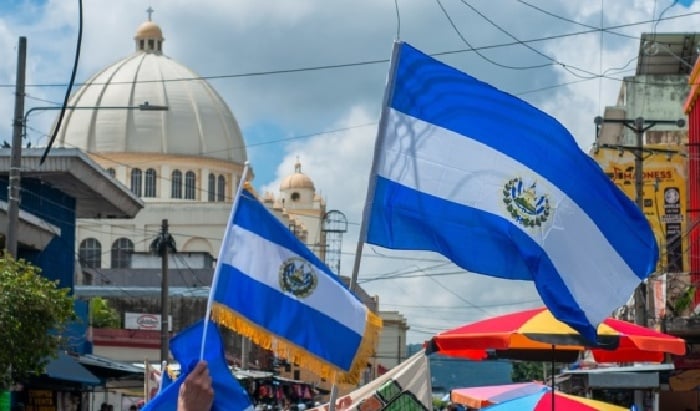
Despite this, the Lotería Nacional de Beneficencia de El Salvador (LNB) has taken the opposite path, with games and initiatives designed to revalue Salvadoran culture. This approach may well be one of the ways to strengthen tradition within the lottery sector.
To explore this topic further, Javier Milián, president of the LNB and also president of the Ibero-American Corporation of State Lotteries and Bets (CIBELAE), spoke with SBC Notícias Brasil about the social contribution of lotteries and the regionalisation of iGaming.
Regionalised games and cultural preservation
While foreign companies enter Latin America, sometimes with a one-size-fits-all approach that is , sometimes, not always the best option, El Salvador has decided to embrace regionalisation to a very specific public: people who live in rural areas and live off of their own production. With scratch games like El Torito Pinto and El Fregón de los Nísperos, inspired by rural life, the LNB has found massive commercial success by going local.
“Through regionalised instant lottery games, we aim to make LOTIN—our instant game brand—the closest and most beloved product among the population,” Milián explained. “It has been a key factor in making us a success story in Latin America, growing from $4m in annual sales in 2019 to nearly $22m in 2024.”
This trend is echoed across the continent. According to Kateryna Goi, Marketing Director at Belatra, understanding local culture is not just a bonus, it’s essential.
“Localisation goes far beyond translating text,” she said. “We adapt visuals, audio, humour, and even colour perception. In Latin America, we incorporate festive elements or local stories that create emotional resonance.”
Pascal Gaming, for instance, spent two years studying the Brazilian market before launching Bozo Brazileiro, a game inspired by traditional street dice.
“You have to be humble enough to understand what you don’t know,” said Artur Manasaryan, the company’s business development director. “Learning the market before launching was crucial.”
Sports and identity
Beyond culture and education, the LNB has invested heavily in sports, partnering with El Salvador’s Instituto Nacional de los Deportes (INDES).
“The Lottery’s support for sports began in 2023 with sponsorship of the Central American and Caribbean Games hosted in El Salvador,” Milián noted. “That same year, cooperation with INDES began for the general development of sports.”
“By 2024, support for the Games was added to the contributions to INDES and expanded to other federations like basketball, volleyball, and triathlon,” he continued. “In 2025, our support increased again and now includes federations such as sailing, golf, swimming, and all categories of football.”
“We’re particularly proud of our support for INDES to promote the development of sports in general, which had been neglected for decades but has become a government priority since 2019.”
This type of social investment is reshaping how lotteries are perceived: not just as gambling operations, but as contributors to national wellbeing and preservation of the country in the global world.
Tradition goes a long way in the digital world
Traditional lotteries face the challenge of staying relevant within a myriad of colourful games available on the phone at any given time. How is it possible to keep thriving as a traditional lottery? According to Milián, the answer lies in leveraging technology without losing cultural roots.
“Undoubtedly, younger generations will prefer to entertain themselves, participate, and seek to win through online games,” he said. “But traditional lottery games can remain relevant by using technology—particularly in sales channels and formats—to bring the product closer to the general public.”
In Chile, for example, over 50% of lottery sales are now digital, and AI is used to personalise campaigns. Costa Rica’s JPS launched the Light Lottery to attract younger audiences. El Salvador, however, has chosen a hybrid model that combines tradition with tech.
“Our main step has been comprehensive modernisation, starting with implementing a modern legal framework in line with today’s standards,” said Milián.
“Our previous Organic Law dated back to 1960. It was replaced by a new law approved in December 2021, which includes all modern lottery modalities—online games and sports betting—making us not only operators but also regulators of all current and future technologies.”
“We also aim to be not just regulators but strategic allies to online game and sports betting operators, because we’re convinced that their success is our success.”
Latin America in the big picture
El Salvador is not alone in this transformation. Latin America is strongly positioning itself as a public that’s not easily satisfied with just “anything” that comes from the North Globe without showing actual care and thoughtfulness about the target audience.
Panama relaunched its Fiscal Lottery to increase tax compliance. Colombia and Peru are cited as regional models for balancing regulation, revenue, and innovation. Meanwhile, in the Dominican Republic, a proposed bill seeks to create a new gaming authority with stronger oversight, though it lacks a clear public health focus.
For brands like JugaBet, marketing is now less about flashy bonuses and more about cultural immersion and social responsibility.
“The most effective brands don’t act like outsiders,” said marketing strategist Vadym Sotskov. “They integrate into local sports culture, speak the fans’ language, and promote responsible gaming.”
“It’s no longer enough to just advertise,” said Lorna Huertas, former Ddirector of Puerto Rico’s lottery. “It’s not enough to know their behaviour. You have to understand their values to design effective marketing strategies.”
She also explained how traditional lottery has adapted to new generations: “We approached young people through their own spaces and activities.” And she reaffirmed the lottery’s social role on the island: “In Puerto Rico, the lottery is a public policy tool and part of our culture.”
A great example of that is how Betnacional, part of Flutter International, has broadened its scope to the point of becoming a marketing case study for other countries, connecting with the audience through funny and catchy jargon on marketing campaigns, and also knowing which brand ambassadors to call in order to engage with the audience.
Back to El Salvador, the message is clear: just distributing and creating games is not enough. Personalisation, UX and cultural depth are key factors to any company willing to dive into LatAm waters.
“We’re proud to be a long-term ally for youth education, sports development, and the promotion of national identity,” Milián concluded. “That’s what makes the Lottery of El Salvador not just a game—but a symbol of opportunity.”
