









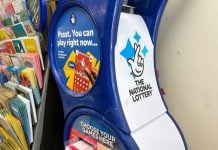










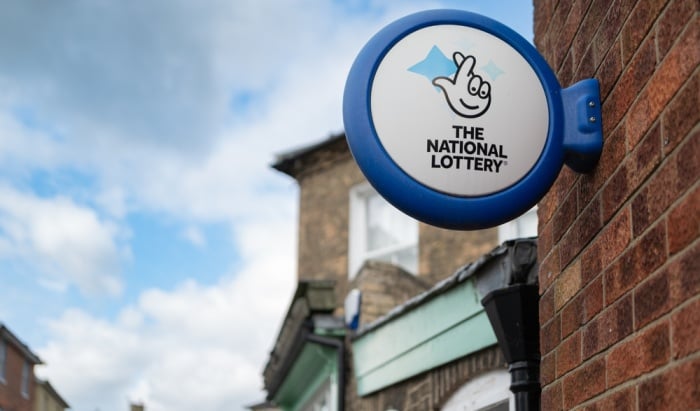
One of the legal claims made against the National Lottery by former contact bidder Richard Desmond has been rejected by the Competition Appeal Tribunal (CAT).
The media mogul has been pursuing legal challenges against the National Lottery since the UK Gambling Commission (UKGC) approved Allwyn UK’s contract back in 2023.
Allwyn was able to secure the fourth National Lottery licence after a tender process in 2022 involving then-incumbent Camelot UK as well as Desmond’s Northern and Shell.
Initial legal challenges against the decision from Camelot were dropped after Alwyn agreed to acquire the company, while a claim from IGT was dropped in 2024 – but Desmond has persisted.
On Friday, the CAT dismissed his claims that a £70m marketing subsidy received by Camelot Group from the UKGC was unlawful and/or unfair by creating an economic disadvantage to his lottery businesses.
Northern & Shell is a publishing group, formerly the publisher of the Daily Express and originating as a publisher of adult magazines.
The company now runs The Health Lottery, and Desmond sought to expand its presence in lotteries by forming the New Lottery Company to contest the fourth National Lottery licence tender.
Desmond’s case
The media mogul’s case, “The New Lottery Company Ltd & Ors v Gambling Commission 2026”, focused on whether the UKGC had breached the Commercial Market Operator (CMO) principle.
The CMO states that financial assistance provided by a public authority is not a prohibited subsidy if it is on the same kinds of terms offered by a private investor. Desmond’s lawyers argued that the CMO principle could not apply to the National Lottery as it is a ‘statutory monopoly with no genuine ‘market comparator’.
This market was rejected by the tribunal: “The decisive question in such a case is whether the State intervention can be assimilated to or is comparable to that of a private operator. If so, the question is then whether the intervention was consistent with normal market conditions, on the basis of the objective and verifiable evidence available.”
The tribunal concluded that the Commission’s decision fell within the permissible commercial margin of the CMO. The Commission had undertaken econometric scrutiny, had taken on expert advice, and the £70m figure was actually less than the original £89.6m requested by Camelot.
Judges added: “The absence of an actual market comparator does not preclude the application of the CMO principle.”
Desmond’s second argument was that the Commission’s approval of the 2023 marketing investment breached the Subsidy Control Act 2022, as the £70m would otherwise have been paid into the National Lottery Distribution Fund (NLDF). The CAT has also rejected this.
Regardless of this loss, Desmond’s legal challenge against the National Lottery – and specifically the Gambling Commission’s decision to award Allwyn the fourth 10-year contract, continues.
Part of the claim was dropped in August last year, according to The Times, but Desmond and his legal team maintain that the overall tender process was unfair. The Commission had offered to settle for £10m, but this was rejected.
